

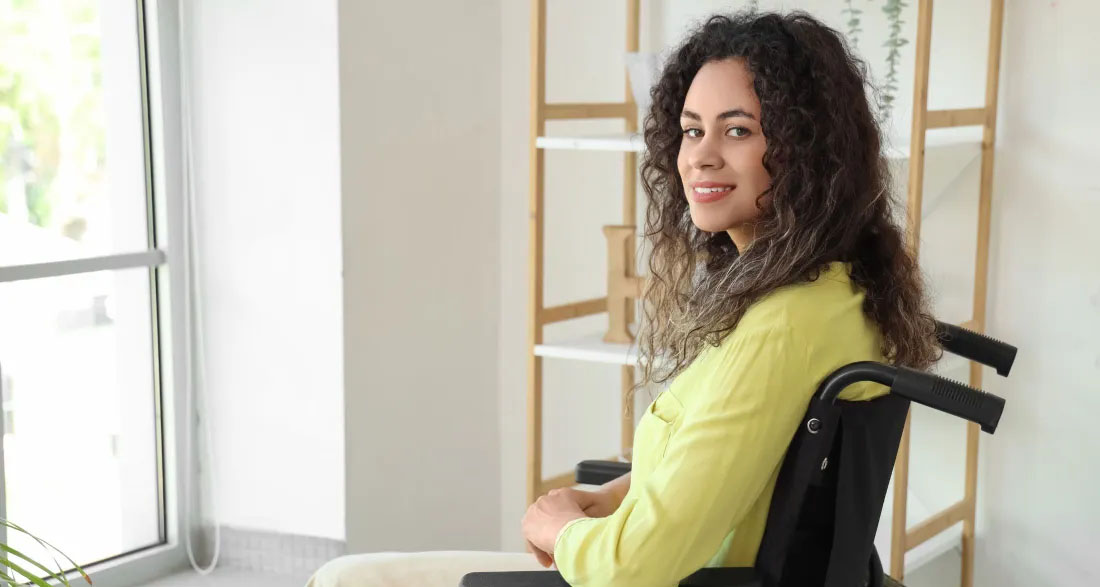
After my car accident, I thought the hardest part would be learning to walk again. I was wrong. The real test wasn’t physical—it was finding out what my husband thought my care was worth.
I’m 35, and before the accident, I was the glue of our marriage. I paid most of the bills, cooked, cleaned, managed every appointment, every call, every “Can you just handle this, babe? I’m bad with paperwork.”
When my husband wanted to switch jobs or “take a break and figure things out,” I crunched the numbers, picked up extra hours, and cheered him on. I never kept score. I believed marriage was teamwork. Ten years together, I thought we were solid.
Then the accident happened.
I don’t remember the impact. One moment it was a green light, the next, hospital ceiling. I survived, but my legs didn’t fare well. Not permanently damaged, but weak enough that I ended up in a wheelchair. I, the helper, the one who never needed help, was now dependent.
“Six to nine months of physical therapy,” the doctors said. “You’ll need a lot of help at first. Transfers. Bathing. Getting around. No weight-bearing on your own for a while.”
Hearing it felt like a punch to the gut. I’ve always been independent. I was the helper, not the helped.
That first week at home, my husband was… distant. Quiet. Irritable.
“We need to be realistic about this,” he said one evening, sitting at the edge of the bed, face serious.
“Okay… realistic how?” I asked, stomach dropping.
“You signed up to be my husband,” he said, rubbing his face. “You’re going to need a lot of help. Like… a lot. All day. Every day. And I didn’t sign up to be a nurse.”
“You signed up to be my husband,” I said.
“Yeah, but this is different,” he shot back. “This is like a full-time job. I’m going to have to put my life on hold. My career. My social life. Everything.”
Tears pricked my eyes. “I know it’s hard. I don’t want this either. But it’s temporary. The doctors think—”
He cut me off. “If you want me to stay and take care of you, I want to be paid. A thousand a week.”
I laughed, thinking it was a joke.
“I’m not your nurse,” he said, dead serious.
“You’re serious?”
“Yeah. You’ve earned more than I have for years. You’ve been carrying us. Now it’s your turn to pay up. I’m not your nurse.”
“My husband… I got hit by a car. And you want me to pay you to stay?”
“Do you resent me now?” he asked.
He shrugged. “Think of it as paying for a caregiver. We’d pay a stranger, right? At least with me, you know who’s here. I won’t resent it if I’m getting something in return.”
I wanted to scream, throw something, tell him to get out. But I couldn’t get out of bed. I couldn’t move without help. My mom was in another state. My dad is gone. My sister worked nights. I was terrified.
“Fine,” I said finally. “A thousand a week.”
He nodded like it was a simple business deal.
“Transfer it every Friday,” he added. “That way it’s simple.”
Simple. Right.
What I got for that thousand dollars? Bare minimum. He rushed me through showers, sighed the whole time. He cooked, dropped plates in front of me, and walked away without asking if I needed help cutting anything. He’d leave me alone for hours. Call buttons went unanswered.
“Who are you talking to?” I asked once, noticing he was always on his phone.
“Guys from work,” he said. “I’m allowed to have a life.”
One night around midnight, thirsty, I realized he was gone. I hit the call button. No answer. My gut told me something was off. I opened his messages.
Jenna. My friend.
He’d text her: “Babysitting a cripple is exhausting. You better make it worth it later.”
She replied: “Poor you 😏 At least she’s paying for our dates.”
Screenshots, jokes about hazard pay, complaints about me “sitting there all day,” expecting him to do everything. Photos of them together at restaurants, her leaning in to kiss him. My stomach turned.
While I was literally paying him to take care of me, my husband was using that money to cheat with my friend.
I put the phone back. He came out of the shower and smiled, “You sleep okay?”
“Yeah. Thanks for taking care of me.”
“Of course. I’m doing my best.”
That afternoon, something snapped. Not broke—hardened. I called my sister. She came over, kicked off her shoes, sat on the edge of my bed.
“You sounded weird on the phone,” she said.
I told her everything.
“The ultimatum. The weekly payments. The cheating. Jenna.”
“I’m going to bury him in the backyard,” she said. Rage burned in her eyes.
“Tempting,” I said. “But I had something more legal in mind.”
We gathered proof. Street festival photos, texts, screenshots, lawyer consultations. In the meantime, I played my part. I paid him every Friday, acted grateful, stopped crying, stopped arguing.
One night, helping me into bed, I said, “Really, I don’t know what I’d do without you.”
“Well. I mean. Yeah. It’s a lot. But I’m here.”
“Such a good husband,” I added, making him preen.
Weeks later, everything was ready. Friday morning. He walked into the bedroom, phone in hand.
“Is it in?” he asked.
“Actually,” I said, smiling, “I have something special for you today.”
His eyes lit up. “Special how?”
“A bonus,” I said, pulling a white box with a ribbon from under the bed. He opened it eagerly. Inside: divorce papers, festival photos, texts. His face went from thrilled to pale, then red, then gray.
“Where did you get these?” he asked, panicked.
“My sister has good timing,” I said. “She was taking festival photos… and caught you cheating.”
“After everything I’ve done?” he shouted.
“You charged me to be my husband,” I said quietly. “Every week.”
He dropped to his knees. “We can get past this. I’ll stop talking to her. I’ll take care of you for free. Please—”
I pulled my hands back.
“I survived a car crash. Losing my independence. Paying my own husband to be in the same room as me while he mocked me behind my back. I will survive this. Time to pack.”
I pressed the call button. My sister walked in.
“Time to pack. Your stuff is in the guest room. I brought boxes.”
“You threw it away when you put a price tag on loving me,” I said.
He left, cursing. She helped me. For free. With patience, jokes, late-night movies, celebrating every tiny victory. The first time I stood up on parallel bars in PT, she cried. The first time I walked to the kitchen with a walker, she filmed it like I’d won a marathon.
Months later, walking across my living room with just a cane, we laughed until we sobbed. That’s when I realized: real love doesn’t send an invoice.
They just liked the benefits. If someone only wants to be there when it’s easy, fun, or profitable—they never loved you. They just liked the perks.