

I was folding my husband’s laundry when something slipped out of his pocket and landed softly on the floor.
It wasn’t loud. It didn’t demand attention. But somehow, my body reacted before my mind did. My hands froze mid-fold, still holding the sleeve of Ron’s shirt.
I bent down and picked it up.
A small piece of paper. Folded once. Worn at the edges, like it had been handled too many times.
I opened it.
There were only six words written in shaky, unfamiliar handwriting:
“Please don’t let her find out.”
Underneath it was a phone number.
For a long moment, I just stood there barefoot on the cold laundry room tiles, the paper trembling slightly between my fingers.
After thirty-five years of marriage, I had learned the sound of silence. I had learned how to live inside it. But in that moment, I realized the silence between Ron and me hadn’t been empty at all.
It had been hiding something.
“Please don’t let her find out.”
The words echoed in my head, louder each time I read them.
Ron had stopped asking about my day years ago. And honestly, I hadn’t minded. Silence made things easier. It smoothed the sharp edges of disappointment. It gave me space to breathe without expecting too much.
We still passed each other dishes at dinner. Still folded each other’s laundry. Still shared a bed.
But I couldn’t remember the last time he looked at me like he really saw me.
Wednesday mornings were always my laundry day. They always had been. That routine was one of the few things in my life that never changed.
I was barefoot, standing in the laundry room mid-morning, sorting lights from darks like I always did. The sun poured through the small window, warm against my shoulder, making dust float lazily in the air.
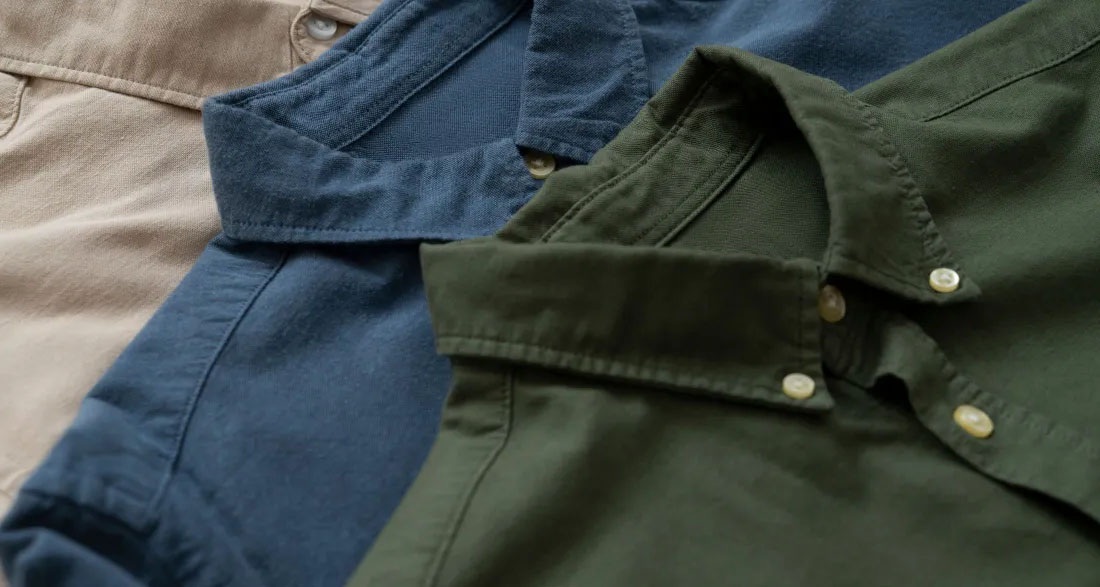
I picked up one of Ron’s shirts—the navy one with pale buttons he wore far too often—and paused.
Something about the weight felt wrong.
At first, I thought it was a receipt. Maybe a dry cleaner tag. Or a grocery list he’d forgotten about.
I unfolded it without thinking.
And then I knew.
Again, those same six words.
“Please don’t let her find out.”
And the phone number.
I read it once. Then again. And again.
My heart didn’t race. I didn’t gasp. I didn’t cry.
Instead, I folded the note carefully, slowly, as if it were fragile, and slipped it into the apron pocket of my housedress.
Behind me, the washing machine beeped, signaling the end of the rinse cycle.
I pressed the button to stop it.
That night, I made chicken marsala with mashed potatoes. Ron poured two glasses of red wine, even though he always complained it gave him a headache.
I said nothing.
“Long day, Delilah?” he asked, handing me the glass.
“Everything alright?” I asked, careful to keep my voice light, normal. I tried not to think about the note burning quietly in my apron pocket.
“Just the usual,” he said. “Alan forgot his key card again. Third time this month. I think the receptionist’s going to strangle him.”
“And the budget meeting?” I asked, smiling because I’d learned that was expected of me.
“It ran long. Nothing new, really.”
We watched the evening news. Then we flipped channels until we landed on a cooking show neither of us cared about.
Ron fell asleep before the episode ended. His hand rested lightly on my knee, warm and familiar.
I stared at the screen, pretending to follow the recipe, but my mind was far from butter and thyme.
The note was still in my pocket.
The following morning, after Ron left for work, I sat at the kitchen table with my coffee growing cold beside me.
I laid the note flat in front of me.
I stared at the number.
Then I picked up the phone and dialed.
After three rings, a soft female voice answered.
“Hello?”
I hesitated.
“I think you left something in my husband’s shirt pocket.”
There was a pause. I could hear a faint humming sound in the background, like a kettle heating up.
Then she spoke calmly.
“I was wondering when you’d call.”
Her name was Allison.
“And you are?” she asked gently.
“Delilah.”
“Of course you are.”
Her certainty settled uncomfortably in my chest.
“You sound very sure for someone who’s never met me,” I said.
“I suppose I do owe you the truth,” she replied.
“I would prefer it,” I said, my fingers curling tightly around the phone.
“I’m not who you think I am,” she said. “Your daughter hired me.”
“My daughter?” I whispered. “Serenity?”
“She was worried. She said your husband had been distant.”
“And what do you do?” I asked.
“I’m a private investigator.”
I pressed my free hand against the table.
“Then explain the note.”
“It was a mistake,” she said. “But not mine. Can you meet me?”
We met the next afternoon at a small coffee shop filled with plants and soft music. Allison arrived first.
She wore a green wool coat and had a silver clip in her hair. She looked older than I’d imagined.
“You’re not what I expected,” I said.
“Oh,” she replied softly. “I hear that often.”
“I need everything,” I told her. “No more half-truths.”
“I met Ron once,” she said. “He panicked when he realized why I was asking questions.”
She hesitated.
“He wrote that note for himself. The ‘she’ wasn’t you. It was Serenity.”
My breath caught.
“I wasn’t going to tell you,” she continued. “But I slipped the note into his pocket so you’d find it.”
“Why?” I asked.
“Because Ron did do something wrong,” she said quietly. “A long time ago.”
“I was the something.”
Twenty years ago. A short affair during a consulting project. He ended it himself.
“He told me not to contact him again,” she said. “He said there were parts of his marriage I wasn’t entitled to.”
“My miscarriage,” I whispered.
“I didn’t know,” she said. “If I had, I would’ve walked away sooner.”
She looked at me steadily.
“I’m sick, Delilah. I don’t have much time.”
“I came because the truth was overdue.”
I didn’t tell Ron right away.
Instead, I watched him.
I noticed the weight loss. The wine he kept drinking despite hating it. The way he rubbed his temple when he thought no one was looking.
A few days later, Serenity called.
“Mom?”
“Hi, sweetheart.”
“Did you ever notice anything off with Dad?”
“You hired someone,” I said gently.
“I just wanted to be sure,” she whispered. “I’m sorry.”
“Don’t be,” I said. “You were trying to protect us.”
Weeks later, over dinner, Ron finally spoke.
“Do you believe people can be forgiven for things they did a lifetime ago?” I asked.
“That’s a loaded question,” he said.
“Did you love her?” I asked. “Allison.”
“No,” he said. “I thought I did. But I didn’t.”
“Why didn’t you tell me?”
“Because I was afraid of losing you.”
“You lost me when you decided my pain was yours to manage,” I said.
That night, we slept side by side without touching.
The silence wasn’t angry.
It was heavy.
The next morning, I packed a small bag.
“How long will you be gone?” Ron asked.
“Long enough to remember who I was before I learned how to be quiet for you,” I said.
As I closed the door behind me, I wasn’t leaving in anger.
I was leaving with my dignity intact.
And that mattered more than anything else.