

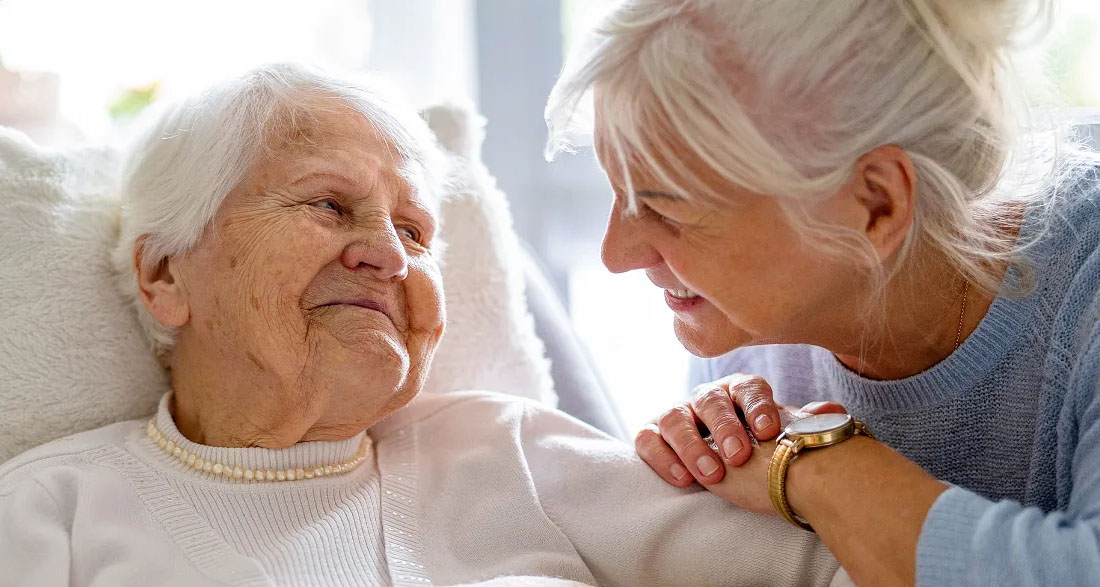
I always thought my golden years would be spent surrounded by family, laughter spilling from the kitchen, the smell of Sunday cornbread wafting through the house. I never imagined I’d end up sleeping on a narrow cot in a homeless shelter.
But grief has a way of peeling back life’s layers, exposing truths—and secrets—you never saw coming.
My name is Helen, and I’m 72 years old. Ten years ago, if someone had told me I’d be here, in this sterile, faintly bleach-scented room, I would have laughed, poured them a cup of coffee in my cozy kitchen, and called them ridiculous.
But life is funny, cruel even. It takes everything you love, one quiet step at a time, and then it waits to see if you’ll rise again.
My life used to be full. I had a son, Mark, my pride and joy. I had George, my husband, who built our family home with his own two hands. Every creaky floorboard, every dent in the banister, held memories. Birthdays, holidays, heartbreaks, triumphs—our home was alive with the sound of our lives.
Then George got sick. Cancer stole him from me slowly, painfully. I held his hand through every treatment, every sleepless night.
I whispered to him, begged him to hold on, but he slipped away anyway. After he left, the silence in the house was deafening. Each room echoed with what was gone. I tried to stay. I tried to keep life alive, but the winters became harsher, the loneliness unbearable.
Mark had moved to the city with his wife, Laura, and their two children. One evening, his voice over the phone was soft, full of concern.
“Mom,” he said, “you shouldn’t be alone. Come live with us. There’s plenty of room. The kids will love having you, and Laura and I would feel better knowing you’re safe.”
I almost said no. My daughter-in-law and I had never been close—we were cordial at best—but I wanted to be with Mark, to see my grandchildren grow, to feel useful again. My knees and my health didn’t allow me to live alone anymore, so I agreed.
Selling our house was the hardest thing I’ve ever done. I cried when I handed the keys to the new owners. That house wasn’t just a building—it held forty years of love, of family, of life with George, of my years as a mother. But I told myself the money would help build something new: a life with my family.
Almost all the proceeds went into fixing up Mark and Laura’s cramped, worn-down home. The guest room needed work, the roof leaked, the kitchen was too small, the backyard a jungle. Mark and I picked paint colors together, and he smiled, full of hope.
“We’re making this house a home for all of us,” he said.
I believed him. I wanted to believe him.
For the first couple of years, life wasn’t bad. I helped with the kids, cooked dinner, did laundry. Laura never thanked me—she rarely did—but I brushed it off. I knew she was busy, tired, ambitious. Still, her eyes often lingered on me with something cold, like I was furniture that had overstayed its welcome.
Mark, bless him, never noticed—or didn’t want to. He worked long hours, but every night after the kids went to bed, we’d sit at the kitchen table.
“I don’t know what I’d do without you, Mom,” he said one night, sipping tea and rubbing the back of his neck.
Those small moments made everything worthwhile.
The kids loved me. They called me Grandma Helen, and we danced in the living room, built forts from couch cushions, baked lopsided cookies, and laughed until our sides hurt. Those afternoons were golden, and they kept me going.
But Laura’s attitude began to shift. First, it was little things:
“Helen, could you not leave dishes in the sink?”
“Helen, the kids are too hyper after you let them have sweets.”
“Helen, don’t fold Mark’s shirts like that.”
I tried to understand. She was under pressure. Law firm deadlines, commutes, fatigue—it was a lot. Maybe she was even jealous of the kids’ affection for me.
One evening, she came home early. We were all dancing to a Motown record—the kids twirling with wooden spoons as microphones. I spun them around like we were on a stage.
Laura stood in the doorway, arms crossed, eyes cold.
“You’re going to spoil them,” she said flatly. “Life isn’t all fun and games.”
Her words cut, sharp and deliberate. After that, she started coming home earlier, criticizing bedtime routines, questioning the kids’ dependence on me. “Don’t you think it’s time they stop relying on her so much?” she asked one night, as if it were a casual observation.
Mark stayed silent, stuck between us. I smiled through it all, not wanting him to pick sides.
Then everything changed.
It was a Thursday in fall. I’d just taken banana bread out of the oven when the phone rang. A man’s voice said:
“Mrs. Harris? This is Officer Grant. I’m afraid there’s been an accident.”
My knees buckled. My heart shattered. Mark had been hit on the highway—delivery truck, swerved into his lane. Quick, they said. He didn’t suffer. I didn’t believe it. A world where my son could be here one moment and gone the next? I refused to accept it.
Laura screamed. The children, too young to understand, kept asking when Daddy would come home. I spent days holding them, answering doors, trying not to collapse under grief. The funeral was a blur. Everyone said:
“He was such a good man.”
“He loved his family so much.”
He did. He really did.
Then Laura changed. Grief hardened her. She stopped crying, stopped looking at me. She focused on bills, insurance, meal deliveries. I tried to stay invisible.
One night, I overheard her in the hallway:
“I can’t do this with her still here. It’s like she’s a reminder of everything I lost.”
Her words punched me in the gut.
A week later, she sat me down after dinner.
“Helen,” she said quietly, “I think it’s time.”
“For what?” I whispered, my voice trembling.
She looked me in the eyes. “Time for a change. You’ve done a lot, but I think it’s best—for all of us—if you moved out.”
I shook my head. “Laura, this is my home, too. I gave you everything from the sale of my house.”
She didn’t flinch. “That was your choice. But you can’t stay here anymore. The house is too crowded. I want to live alone with the kids.”
Cold. Dismissive. I felt like a tenant who had overstayed her welcome.
The next morning, my suitcases were packed by the door.
“I packed your things. Cab’s coming in ten minutes,” she said.
“Sweetheart, how can you say that? I have nowhere to go…”
“You living here was always Mark’s idea. I’m not keeping this up,” she replied.
I lied to the children, telling them I was visiting an old friend. Truth was, I didn’t know where to go. I told the taxi driver, “Take me to the nearest senior shelter.”
The shelter smelled faintly of bleach. I got a corner cot, a shared locker, and a bowl of lukewarm soup. I didn’t complain. I was too tired, too empty.
Days turned into routines: breakfast at seven, chores if you wanted, lights out at nine. I helped organize the pantry, swept the floors, folded sheets—anything to feel less invisible.
One morning, I helped an older woman find matching shoes in the donation bin. She squeezed my hand.
“You’re an angel,” she said.
I smiled, but I felt like a ghost.
Then, on a rainy afternoon, everything changed.
I was sewing a button on a child’s sweater when the door opened. A man’s voice asked the attendant:
“Is there a Helen Harris here?”
“Yes, she’s over by the window,” came the reply.
I looked up. A man stood there—tall, clean-cut, kind eyes. Familiar. Gentle.
“Mrs. Harris?” he said. “I’m David Collins. I worked with your son, Mark, at the firm years ago.”
I blinked. “David… you came over for dinner sometimes. You brought wine Laura didn’t like, and you lost to Mark in chess every single time!”
He laughed softly. “That sounds right.”
“Why are you here?” I asked, still confused.
He opened a leather briefcase, revealing a folder and envelope. “Your son left this for you. Part of his private estate. He asked me to deliver it personally.”
Tears filled my eyes. “Mark left something for me?”
“Yes,” David said. “A trust, in your name. He wanted you to be safe, secure, independent. He said, ‘No matter what happens, I want my mom to be taken care of.’”
Laura never mentioned it. She didn’t know. Mark had prepared for the worst, hoping you’d be protected.
The papers in my hands held enough money to live comfortably, maybe buy a small home. I couldn’t believe it. Even in death, Mark was looking after me.
David smiled. “We’ll find you a place. Somewhere quiet, safe, and yours.”
Weeks later, I moved into a small cottage at the edge of town. White shutters, a porch, a tiny garden. I cried that first night—not in sadness, but relief. I planted roses, baked again, read by the window, and even found a cat, Benny, who napped on the porch.
David visited often. We became friends, quiet and comforting. He listened, really listened. It reminded me of Mark.
Three years later, a rainy afternoon, someone knocked. It was Laura. She looked different—tired, smaller, lost.
“Hi, Helen. May I come in?”
I hesitated, then stepped aside.
“I didn’t know about the money,” she said, voice cracking. “Found it a year after you left. I swear I didn’t know.”
I studied her. “Even if you didn’t know, you sent me away.”
She nodded, eyes glassy. “I was angry, broken. Took it out on you. But it didn’t fix the pain. I lost my job, everything…”
“I never hated you,” I said. “I was hurt, but not surprised.”
She choked back a sob. “Mark used to say you were the heart of our home. Now I understand. I’m sorry.”
I poured tea. We sat in silence, two women bound by grief and memory.
When she left, she whispered, “You deserved better. Thank you for letting me say that.”
I watched her go, rain dripping from her umbrella. No satisfaction, just peace.
Because in the end, my son gave me what Laura never could: a way to stand on my own. A home built not from bricks, but from love. And I would spend the rest of my days in it, finally safe, finally free.