

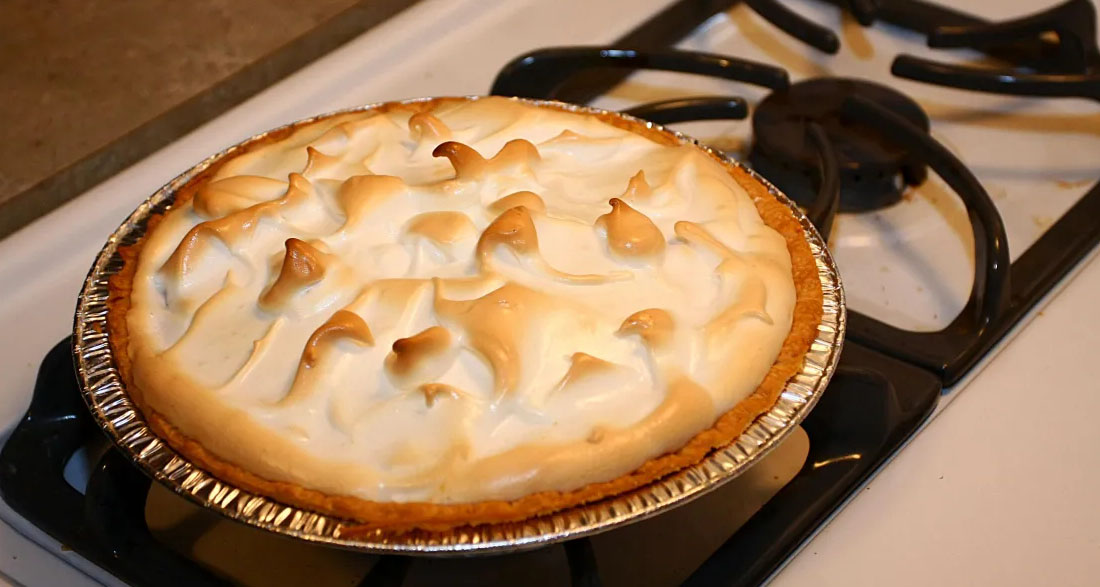
I thought the pounding on my door was the kind of sound that ruins lives.
It was 5:12 a.m. I hadn’t slept well. Lila, my daughter, was still half-asleep behind me, curled up on the couch from a late movie night. Then—bam! Bam! Bam!—the sound shook the door.
Two police officers stood there, early morning sunlight slicing through the window behind them.
“Are you Rowan?” the woman asked, her voice serious but steady.
“Yes,” I croaked, throat dry.
“And your daughter, Lila, is here?”
My heart hammered against my ribs like it wanted out. Every fear I’d ever had about losing her crowded my mind at once.
Everything I have is my daughter.
I had her at eighteen.
My parents had money, perfect manners, and a deep obsession with appearances. When I got pregnant, their faces said it all: “You’ve ruined everything.”
That was the night I left their house for good.
My mother said, “You ruined your life.”
My father said, “You will not do the same to this family.”
I stood there, one hand over my stomach, shaking, and whispered, “This is your grandchild.”
My father laughed. “No,” he said. “This is your consequence.”
That was it. That was the last night I lived under their roof.
After that, it was cheap apartments, double shifts, thrift stores, and babysitters I could barely afford. Mornings at the diner, nights cleaning offices, returning home smelling like coffee and bleach.
But Lila… she grew up in all that and somehow came out softer than I ever was.
She’s fourteen now. Smart. Funny. Too generous for her own good. One week she’s collecting blankets for the animal shelter; the next, she’s asking if we have extra canned food because, “Mom, Mrs. Vera says she’s fine, but she’s not fine.”
And she loves baking.
“Mom, I want to bake.”
That was last weekend. She dropped her backpack and announced it like it was a grand declaration.
I smiled. “That’s not exactly new.”
“A lot.”
“How much is a lot?”
“Forty pies.”
I laughed. “No.”
She didn’t. She just folded her arms, eyes sparkling.
“Mom, one of the women at the nursing home said they haven’t had homemade dessert in years. And one man said his wife used to make apple pie every Sunday. It makes people feel remembered.”
I stared at her. “Forty pies?”
“Thirty-eight,” she said, correcting herself with a grin. “But forty sounds better.”
She had already planned it. Checked the store app. Chosen cheap flour and apples on sale. She even wanted to use her babysitting money.
“You already asked Mrs. Vera if we can borrow her pie tins?” I asked.
“Maybe.”
“You’re exhausting,” I said, but my heart swelled.
Saturday morning looked like a flour bomb had gone off. Flour in the air, dough on the counters, dough on the floor, somehow dough on the cookie jar. Cinnamon and butter filled the apartment. Lila had flour in her hair, on her nose, even on her forehead.
“How is it on your forehead?” I asked, laughing despite myself.
“Is it?” she asked, wiping her cheek.
“That is not your forehead,” I said.
By the time we had a rhythm, she got quiet. Rolling dough with that faraway look she gets when something is too big to say.
“What’s going on in that head?” I asked.
She kept working. “Do you ever worry people feel invisible?”
I paused. “What do you mean?”
“Everybody says kids need attention. And we do. But old people do too. Sometimes I think people stop seeing them as themselves, like they’re just… furniture.”
I watched her for a long moment. “Yeah. I think that happens.”
“I don’t want that to happen around me,” she said.
When we finally loaded the pies into Mrs. Vera’s hatchback, the whole car smelled like butter and cinnamon. At the nursing home, the front desk woman blinked, surprised.
“Good Lord,” she said.
Lila smiled. “We brought dessert.”
“All of this?”
Lila nodded. “If that’s okay.”
They took us into the common room. Some residents were playing cards. Some watched the TV without really watching. Then the smell hit. Heads turned. Eyes widened.
I watched her kneel, ask names, and listen. One man in a navy cardigan stood up.
“Is that apple?” he asked.
“Yes, sir,” Lila said.
He put a hand over his mouth. “My wife used to bake apple.”
A tiny woman near the window sniffed the air. “I smelled cinnamon before I saw you.”
Lila set down the first pie and started cutting slices.
“I haven’t had pie like this since my Martha died,” the man said. Then he reached for Lila’s hand.
“I’m glad you had it today,” she said softly.
“What’s your name, sweetheart?” he asked.
“Lila,” she replied.
He looked at her with tears in his eyes. “You’re somebody’s answered prayer.”
That almost broke me.
And then… the next morning, 5:12 a.m., pounding at the door again. Not a knock. A full-on, panic-inducing pound.
I froze. Lila sat up on the couch, rubbing her eyes. “Mom?”
Two police officers. Armed. Serious.
“Mom,” Lila whispered, gripping my shirt. “What’s happening?”
I had no answer.
“Ma’am, we need to talk to you about what your daughter did yesterday,” the woman officer said.
My whole body went cold. My mind spiraled through every horror scenario: food poisoning, someone choking, trespassing, an accusation…
I opened the door wider. The woman officer softened when she looked at me.
“Nobody is in trouble,” she said.
I laughed, sharp and breathless. “Then why are there police at my door before sunrise?”
“This got bigger than anyone expected,” she said.
“Bigger?” Lila frowned.
“You,” the male officer said with a smile.
Lila blinked.
“The nursing home staff posted pictures,” the woman explained. “Residents’ families shared them.
One man called his granddaughter crying because your pies reminded him of his wife. The foundation wants to honor you tonight at the town event. The mayor’s office is involved. A local bakery wants to offer you a scholarship for weekend classes if you’re interested.”
Lila just stared.
“Arthur said, ‘That girl did not bring dessert. She brought people back to life for ten minutes.’”
I broke. Ugly crying. Full shaking, tears everywhere.
Lila hugged me. “Mom? What happened?”
“Nothing bad, baby. Just… I thought…”
That evening, at the town event, Lila froze when they called her name. Crowds make her nervous. Public praise makes me suspicious. But she stood tall in her only nice dress.
“Will you come up if I get scared?” she asked.
“Always,” I whispered.
Arthur, the man in the navy cardigan, took the microphone. “When you get old, people can be efficient with you. They move you, feed you, check your chart, and forget you were a whole person before they met them. But this girl,” he said, looking at Lila, “treated us like we still belonged.”
The room cried.
“And whoever raised her didn’t just raise a good daughter. They raised someone who makes others feel seen.”
I couldn’t breathe. My parents were standing at the back. Of course they came when kindness had become public, safe to admire.
After the ceremony, they approached.
“Rowan,” my mother said.
I said nothing.
My father looked at Lila. “We’re proud.”
“You don’t get to be proud only when people are watching,” I said.
In the car, Lila groaned. “I cannot believe I said that.”
I laughed, real laughter.
Back home, cinnamon still lingered in the apartment. She peeked through her fingers.
“What?”
“Just admiring my work,” I said.
She laughed, then paused. “Was I too harsh?”
“No,” I said. “You were honest. People know the difference.”
She smiled. “So… next weekend? Fifty pies?”
I stared at her. “Let’s start with twenty.”