

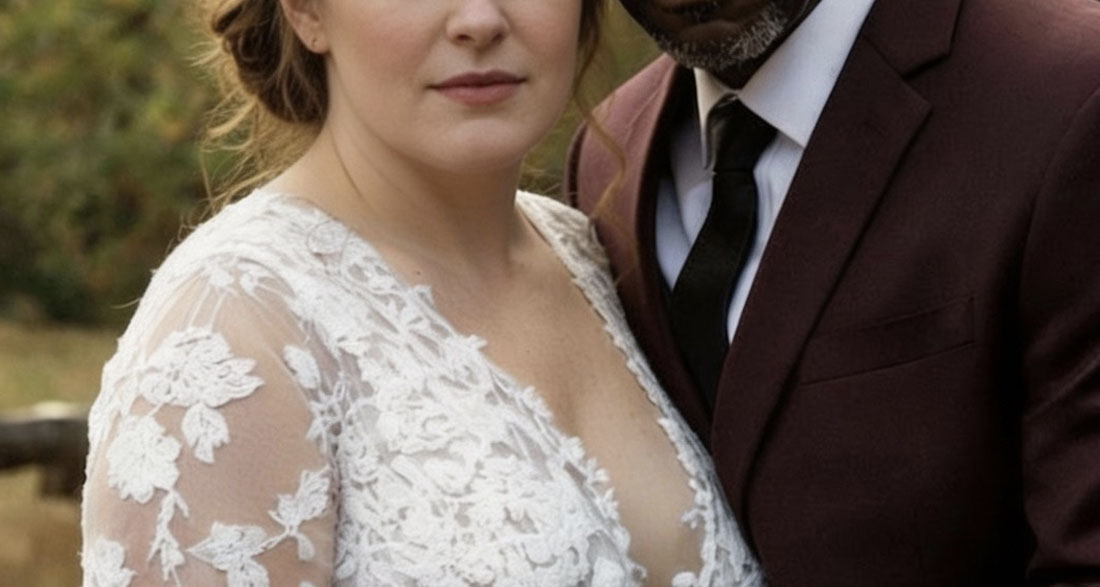
I married my father’s longtime friend thinking I had finally found a calm harbor after years of disappointment. At thirty-nine, I believed I understood love enough to recognize it when it arrived quietly, not crashing into my life with chaos.
I was done chasing sparks, done hoping for grand gestures. What I wanted now was steady, something that felt like home. And from the first moment I truly noticed it, Steve felt like that.
I’d known Steve for years, always from a distance. He was a fixture at birthdays, holiday dinners, and backyard barbecues at my father’s house. He never demanded attention, yet somehow made everything easier just by being there.
He fixed things without asking, listened more than he talked, and had a calm way of handling problems that made others relax. To me, he was simply my father’s friend—a familiar background figure, pleasant but unremarkable.
That changed one ordinary afternoon. I’d stopped by my father’s house unexpectedly, feeling drained after yet another short relationship that left me tired and foolish for hoping again. My father was out running errands, and Steve was there, fixing a loose cabinet hinge in the kitchen.
We started talking while he worked. First, small things. Then life. I can’t say exactly when the conversation deepened—it just did, almost imperceptibly—but suddenly I felt a connection I hadn’t noticed before.
He asked questions and really listened. He didn’t try to impress me or fix my problems. He simply understood.
That afternoon stayed with me. Days later, Steve called. “Want to grab coffee?” he asked. I said yes, almost automatically. From that first real date, there was an ease between us—strange, yet comforting.
He was nearly a decade older, but the age difference grounded me rather than limiting me. He knew who he was. He didn’t play games. He showed up when he said he would. After years of emotional rollercoasters, his steadiness felt like a gift.
Dating Steve was safe in a way nothing had been before. No guessing, no anxiety, no wondering where I stood. He made his intentions clear without fanfare. My father was thrilled, more relieved than surprised.
“I always knew he’d be good for you,” he told me. That trust spilled into my heart. Our relationship moved quickly, not out of pressure, but because it felt natural. Six months later, he proposed one quiet evening at home.
No fireworks, no crowds. Just him, looking at me with hope in his eyes, asking me to share my life with him. I said yes, certain this was the kind of love that lasted.
Our wedding reflected who we were: simple, warm, filled with laughter, familiar faces, and that quiet sense of rightness. I wore the dress I had imagined for years and felt beautiful—not because of how I looked, but because I felt chosen.
That night, arriving home, I felt joy and anticipation bubbling inside me. I slipped away to change, staring at myself in the mirror with a smile, thinking about how life had finally come together.
Then I returned to the bedroom, and everything changed. The air was heavy, almost tense. Steve sat on the edge of the bed, shoulders slumped, hands shaking. His face was pale, drained of the happiness I expected. He didn’t look like a newly married man. He looked frightened.
“I’m… I’m sorry,” he whispered. “I should have told you sooner.”
My heart skipped. Panic crept in where joy had been. I sank to the bed beside him, searching for something solid to hold onto. “Steve… what is it?” I asked, though I already feared the answer.
He took a long, shuddering breath. “Three years ago, I had a severe accident,” he said slowly. “I survived… but not everything healed. Some things,” he hesitated, voice barely above a whisper, “some things will never be the same.”
He explained that doctors had given him cautious hope. That he had clung to it longer than he should have. That he had been afraid to tell me—afraid I’d see him as broken, afraid I would leave. “I love you too much to risk losing you,” he admitted. “But I know now keeping this from you was wrong.”
Tears ran down his face. His voice trembled, but he wasn’t begging for pity. He was finally telling the truth. Sitting there in my wedding dress, listening to the man I had just married confess something so personal and painful, I didn’t feel anger. I felt awe at his courage.
I reached for his hand. “Steve… I didn’t marry an idea of perfection,” I said. “I married you. The man who listens, who shows up, who loves with steadiness and care. This… this doesn’t change that.”
We cried together, not from despair, but from the relief of honesty. We spent the night talking, really talking, about his limitations, our fears, our hopes. Laughter bubbled through tears. Sadness did too.
We realized intimacy doesn’t begin with perfection—it begins with truth. That night reshaped my understanding of love entirely. The deepest connection isn’t built on what we can offer at our best, but what we can reveal when we are most afraid.
In the following days, reality settled in. Marriage didn’t feel like a fairy tale—but it felt real. I experienced moments of uncertainty, grief for the life I had imagined. Steve gave me space for my feelings, never asking me to pretend. I allowed him to feel his fears, and he allowed me mine.
Slowly, we learned how to be married—not as perfect people, but as two imperfect people choosing each other daily. Without illusions, we became more open, more tender, more honest. Love became less about expectations and more about presence. Quiet, steady, human.
Looking back, I understand now: calm harbors are not places without storms. They are places where ships are repaired, where damage is acknowledged, and where journeys continue with care.
I didn’t find the perfect ending I once imagined. I found something far more meaningful: a love built on truth, compassion, and courage, strong enough to replace fear with trust.